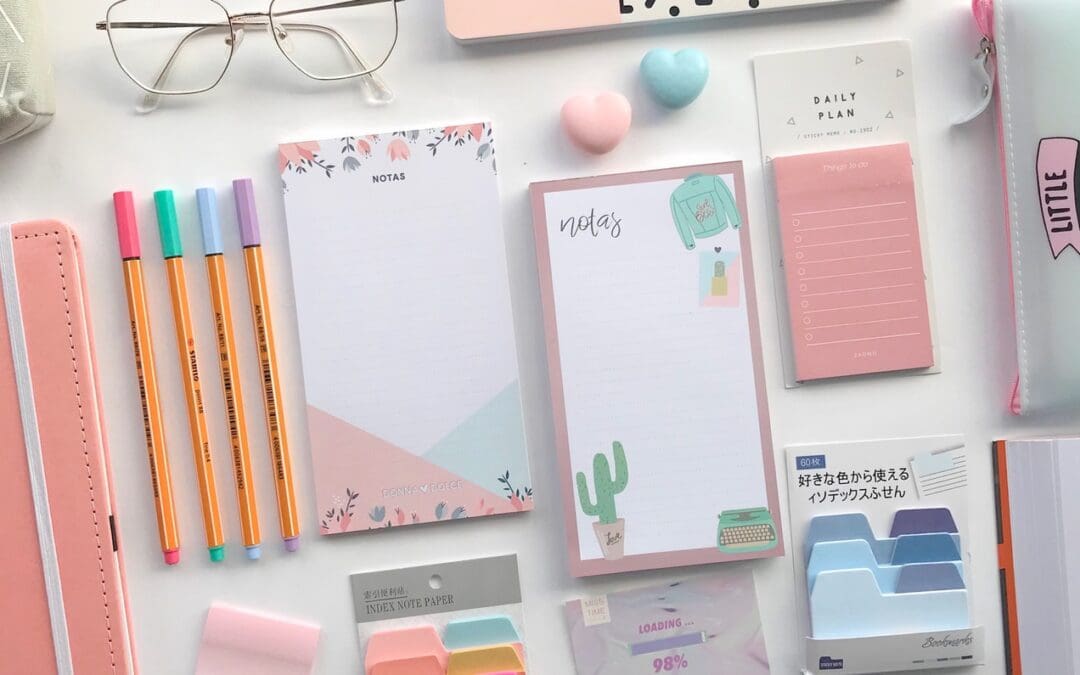
The importance of creating a mood board that you can refer back to in order to maintain consistency.
When building a brand, having a clear vision is really important in order to keep you on track and free from distracting design side-quests. It sets the tone, defines your aesthetic, and guides your decisions moving forward. The tool we are going to use to bring this vision to life is the mindmap—a visual representation that helps to distill big ideas without limiting your creative flow. By mind-mapping your vision, you can clarify what you want your brand to communicate and how you want customers to feel when they interact with it. This stage is to clarify the general “vibe” you’re going for, we don’t need to pick a particular font or define an exact colour palette, we’re just looking to set the tone.
Choose Your Brand’s Visual Tone and Feel
Ask yourself: should your site feel light and fresh, or bold and dark? The mood and tone of your brand play a big role in shaping customers’ initial impressions.
-
Light and Fresh: A light, fresh aesthetic often uses soft colors, plenty of white space, and clean lines, evoking feelings of openness and simplicity. It’s ideal for brands that prioritize an approachable, friendly vibe.
-
Dark and Bold: Bold, dark designs can make a brand feel sophisticated, edgy, or powerful. Using high contrast and vibrant colors against darker backgrounds adds a dramatic feel that can leave a lasting impression.
Mapping out the visual style will help you settle on a foundation for your brand’s look and feel, setting the mood you want customers to experience.
Define Your Design Elements – Shapes and Fonts
The shapes and fonts you choose will further establish your brand’s personality. Decide if your brand is more suited to curvy, soft lines or defined, sharp edges.
-
Curvy Shapes and Fonts: Rounded fonts and organic shapes give a relaxed, welcoming, and informal impression. They’re perfect for brands that want to feel friendly, playful, or down-to-earth.
-
Sharp Lines and Defined Fonts: On the other hand, geometric shapes and clean, angular fonts communicate professionalism, precision, and structure. This is an excellent choice for brands that aim to exude reliability, sophistication, or luxury.
Consider Your Brand’s Activity Level
A brand isn’t just a website or logo; it’s how often you interact with your audience. Consider how active you’ll be in creating and updating content or engaging with followers on social media.
-
Highly Active: If you envision a brand that frequently updates its website, posts on social media, or interacts with customers, then a dynamic design may suit you. This might mean regularly refreshed visuals or interactive elements on your site that reflect your active presence.
-
Low Activity: For a brand with less frequent updates, focus on creating evergreen content and a classic, enduring look. This approach provides value even with infrequent updates and ensures that your design remains relevant over time.
Additional Thoughts
Here is where you can add anything else that comes to mind during the process, the beauty of a mindmap is that it can grow in any direction and doesn’t need to remain limited to any particular topic. Did you begin to imagine your ideal customer, think of a great promotion idea or a functionality your site will need? We’ll dive into all of these topics in later modules but if anything occurs to you now, feel free to add it!
Mindmapping your brand vision is an effective way to align your ideas with your business goals. By breaking down each component of your vision—visual tone, design elements, and engagement level—you create a blueprint that can evolve with your brand.
Take your time with this process, and don’t hesitate to adjust your map as you gain clarity. A strong, cohesive brand vision will make building every part of your brand easier, from web design to social media presence and beyond.
