
Building a creative business plan that you can refer back to and build on continuously.
What many of us tend to do is start with the HOW.
HOW am I going to make my business successful?
HOW is this going to happen, and work?
But what we actually want to do is start with the WHY.
WHY does my business have value in the market?
WHY do I think it’s a necessity that my business does this?
and what is it that my business specifically does?
So, let’s start delving into your reasons WHY you started this business.
Research has shown that 25% of businesses that didn’t have a business plan failed within the first two years!
One of the things that seems to make the real difference is if you have actually written a business plan down physically, either on the computer or on paper.
A business plan helps to keep you focused and on-track, if you are not tracking that you are hitting your milestones, reaching your goals, and achieving what you set out to do, then what is to stop the business from getting bogged down by the mundane, treading water or fizzing out?
Mind Mapping is a really good way of getting down a road map of what you’re trying to achieve. A loose structure, which you can then use to create a more detailed business plan.
Include things like monetary targets, how many users or clients you are going to need to get there, profit and loss forecasts (especially if you’re selling products) and work out what your hourly rate needs to be (if you are the product and you are selling your time). It’s vital to ensure that you are giving yourself a living wage. You don’t want to burn out on your way to success!
Mind Mapping is a really creative way to clarify your thinking when you are brainstorming about your brand.
You take a central construct and place it as a heading in the centre of your page, or board. You start by putting the title in a central bubble, then use “spider legs” coming off the title to any subcategory of thought that is related to it. This works so well because you’re not restricted to bullet points going down a page, and adhering to a hierarchy and structure that might not reflect the most creative or effective way to get your thoughts out of your head, and onto the page.
By the time you’ve gotten all of your ideas relating to the central “bubble” concept out, you can take all these things that are around the edge of the page and start putting them into lists and expanding on them; giving them their own headings and delving even deeper.
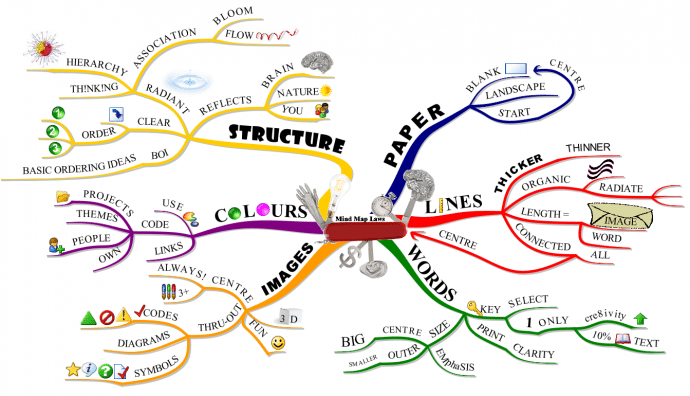
Working on your WHY and all of its ever-growing spider legs of subcategories will help you structure your thoughts. You are creating different categories and they’re going to start to become like the pages of your website. For example, you might have one category which becomes an “About Me” and another one that talks more about the functionality of what the business actually offers and what you can get your hands on. Then maybe start delving into the problem that your business is solving and how it goes about solving that.
Go through and think about any problems that you’ve had to overcome in order to come up with this solution and just write down everything about the story in terms of why this business is important to you. Don’t overthink it. It can be the smallest anecdote or your biggest drive. It is all going to help create your brand story, and it’s those little bits that you’re going to share over time that really builds that emotional connection with your customers as well. Which, in turn, leads to the loyalty you want to foster.
So, you are going to begin to see this structure arise that can give your thoughts some clarity about what the pages are going to be.
Find out more detailed information about how to mind-map and why it’s so effective direct from the founder Tony Buzan – https://mindwerx.com/buzan-mind-mapping/
